
Essential Nutrition for Peak Male Wellness
Discover the foundational principles of balanced nutrition designed specifically for men's health. Our comprehensive guide breaks down macronutrients, micronutrients, and practical eating habits that support energy, strength, and long-term wellness. Learn how simple dietary adjustments can transform your daily performance and vitality.
- Balanced macronutrient ratios optimized for male physiology
- Essential minerals and vitamins to support muscle, bone, and cardiovascular health
- Practical meal timing strategies to maximize energy and recovery

The information on this site is for educational purposes only and does not constitute medical advice. Always consult a qualified healthcare professional before making health decisions.
Why Balanced Nutrition Matters
Cardiovascular Strength
Proper nutrition supports healthy heart function and stable blood pressure for active living.
Muscle Development
Balanced protein intake and micronutrient timing promote lean muscle growth and recovery.
Mental Clarity
Strategic nutrition enhances focus, mood stability, and cognitive performance throughout your day.
Sustained Energy
Proper meal composition prevents energy crashes and supports consistent daily performance.
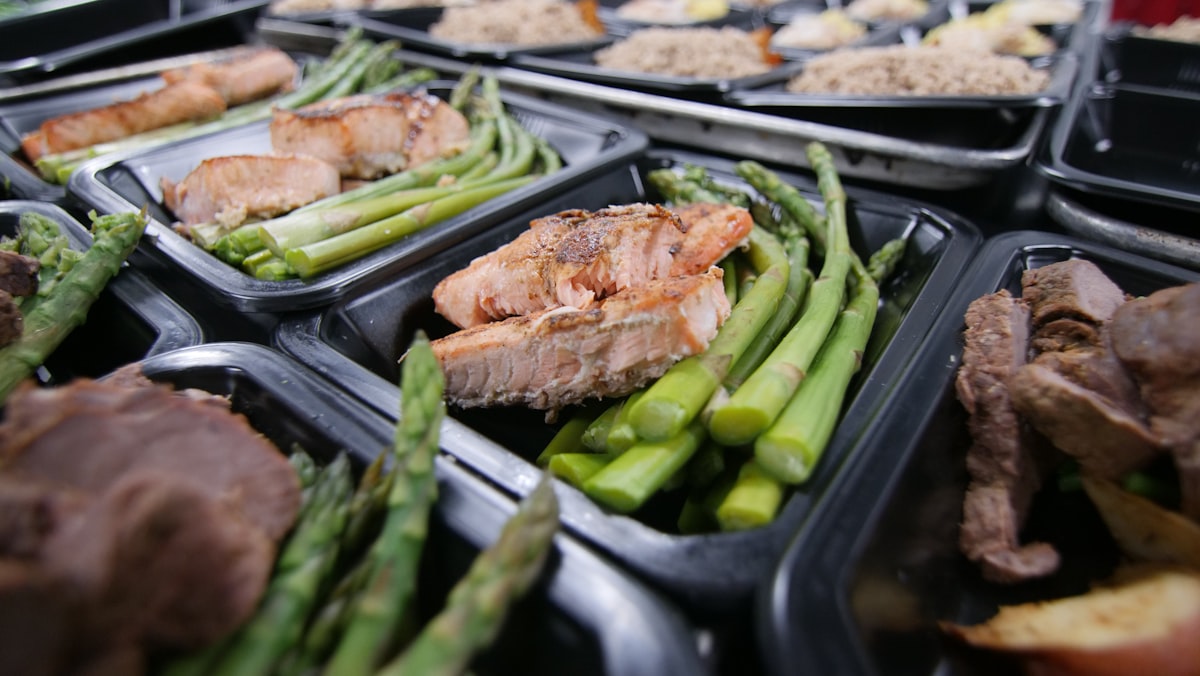
Foundation of Balanced Eating Habits
A sustainable approach to nutrition starts with understanding the three macronutrient pillars: proteins, carbohydrates, and healthy fats. Each plays a vital role in supporting different aspects of men's health, from muscle maintenance to hormone regulation and mental function.
The key is not restriction, but intentional balance. By learning which foods support your goals and how to time your meals, you create a foundation that works with your body's natural rhythms rather than against them. This approach is sustainable because it doesn't require constant willpower—it becomes a natural part of your lifestyle.
Pro Tip:
Start by tracking what you currently eat for one week without judgment. This baseline awareness often reveals patterns that, once adjusted, make a substantial difference in how you feel and perform.
Core Nutritional Principles for Men
Protein Quality & Timing
Men require approximately 0.8–1.0 grams of protein per pound of body weight for muscle maintenance and growth. Distribute intake evenly across meals—breakfast, lunch, and dinner—rather than consuming large amounts in a single meal. Quality sources include lean meats, fish, eggs, legumes, and dairy.
- Aim for 25–35g protein per main meal
- Include variety: poultry, beef, fish, plant-based
- Post-activity protein aids recovery
Smart Carbohydrate Choices
Carbohydrates fuel performance and recovery, but quality matters. Prioritize whole grains, legumes, and vegetables over refined sugars. Adjust portion sizes based on activity level: active men benefit from higher carbohydrate intake; sedentary periods call for moderation.
- Choose whole grains over white/refined options
- Time carbs around training for energy
- Include fiber for digestive and metabolic health
Essential Fats & Hormones
Healthy fats are critical for hormone production, brain function, and nutrient absorption. Include sources of omega-3 and omega-6 fatty acids. Target 20–35% of daily calories from fat, emphasizing unsaturated sources while limiting trans fats.
- Fish, nuts, seeds, and olive oil daily
- Supports testosterone and hormone balance
- Reduces inflammation and supports recovery
Micronutrient Density
Vitamins and minerals regulate energy metabolism, bone strength, and immune function. Men often fall short in vitamin D, magnesium, and iron. Colorful vegetables, leafy greens, nuts, and fortified foods should form the foundation of every meal.
- Vitamin D: bone and immune health
- Magnesium: muscle function and sleep
- Zinc: testosterone and wound healing
Hydration as Foundation
Water supports every physiological process—energy production, muscle recovery, cognitive function, and nutrient transport. Men should aim for at least 3–4 liters daily, adjusting for activity and climate. Proper hydration improves workout performance and recovery.
- Drink before thirst signals peak
- Monitor urine color (pale = well-hydrated)
- Increase intake on training days
Meal Timing & Consistency
Eating at regular intervals stabilizes blood sugar, mood, and energy. Consistency matters more than perfection. Skipping meals leads to overeating later and energy crashes. Structure your day around 3 balanced meals plus 1–2 snacks, tailored to your schedule.
- Breakfast within 1–2 hours of waking
- Balanced meals every 4–5 hours
- Light snack if gap exceeds 5 hours
Ready to Transform Your Nutrition?
Explore our detailed guides, meal planning strategies, and practical tips designed for men who want to optimize their diet and take control of their health.
Your Path to Better Dietary Choices
Making lasting nutritional changes doesn't happen overnight. Follow this structured approach to build habits that support your health goals.
Assess Your Baseline
Track your current eating patterns for 3–5 days without judgment. Note meal timing, portion sizes, food quality, and how you feel after eating. This awareness is your foundation.
Identify One Change
Don't overhaul everything at once. Choose one specific improvement—add vegetables to lunch, drink more water, include protein at breakfast. Master one habit before adding another.
Build Meal Structure
Create a simple framework for your meals: protein + whole grain + vegetables + healthy fat. Use this formula as your template, rotating proteins and vegetables for variety.
Monitor & Adjust
After 2–4 weeks, assess how you feel: energy, strength, digestion, sleep quality. Small adjustments based on real feedback create a sustainable, personalized approach.
Nutrition Approach Comparison
| Aspect | Unstructured Eating | Balanced Nutrition |
|---|---|---|
| Energy Levels | Inconsistent; frequent crashes mid-afternoon | Sustained throughout the day with stable focus |
| Muscle & Strength | Slow progress; inadequate protein distribution | Better recovery and visible improvement over weeks |
| Sleep Quality | Disrupted; caffeine and sugar create restlessness | Deeper, more restorative with proper nutrient timing |
| Mental Clarity | Brain fog; difficulty concentrating after 2–3 hours | Sharp focus; improved decision-making and mood |
| Digestion & Health | Bloating, irregular digestion, occasional discomfort | Smooth digestion, stable metabolism, fewer issues |
| Long-term Sustainability | Difficult to maintain; yo-yo patterns common | Sustainable lifestyle; habits become automatic |
Common Questions About Male Nutrition
The standard recommendation is 0.8–1.0 grams of protein per pound of body weight for most adult men. However, this varies based on activity level:
- Sedentary: 0.6–0.8g per pound (maintenance)
- Moderate exercise: 0.8–1.0g per pound (support and growth)
- Heavy training: 1.0–1.2g per pound (optimal muscle development)
Distribute this across 3–4 meals for optimal muscle protein synthesis. A 180-pound moderately active man would target approximately 144–180g daily, spread as 30–45g per meal.
Absolutely. Carbohydrates are not the enemy—poor-quality carbs and excessive portions are. Quality carbs fuel performance, support brain function, and aid muscle recovery. The key is strategic timing and quality:
- Time carbs around training: Before and after workouts for performance and recovery
- Choose whole grains: Oats, brown rice, quinoa, sweet potatoes over white flour
- Include fiber: Supports digestion, satiety, and metabolic health
- Adjust portions: More carbs on active days, moderate on rest days
Men staying lean while maintaining muscle typically consume 1.5–2.5g carbs per pound of body weight, adjusted for activity level.
Post-workout nutrition is important, but the "anabolic window" (immediate need to eat) is less critical than total daily nutrition. That said, here's what works best:
- Within 1–2 hours post-training: Consume protein (25–40g) + carbs (30–60g)
- Meal example: Grilled chicken, white rice, and vegetables
- If whole-food meal delayed: Protein shake with banana provides quick absorption
- More important: Total daily protein intake and consistent meal timing matter far more than timing a single meal
Focus on eating balanced meals every 4–5 hours throughout the day rather than obsessing over a narrow post-workout window.
Yes, with planning and smart choices. Restaurant meals can fit into a balanced approach by following these strategies:
- Choose lean proteins: Grilled chicken, fish, or lean beef instead of fried
- Load on vegetables: Request extra greens or side salad instead of fries
- Watch portions: Restaurant portions are often 1.5–2x appropriate amounts; eat half and take the rest home