
Balanced Diet Basics for Men
Explore comprehensive guides on nutrition fundamentals, meal planning strategies, and science-backed dietary principles designed for men's wellness and vitality.
The information on this site is for educational purposes only and does not constitute medical advice. Always consult a qualified healthcare professional before making health decisions.

Protein Intake Fundamentals
Understand optimal protein requirements for muscle maintenance, recovery, and overall metabolic health. Learn which protein sources deliver the best amino acid profiles and how to distribute intake throughout your day.
Read Article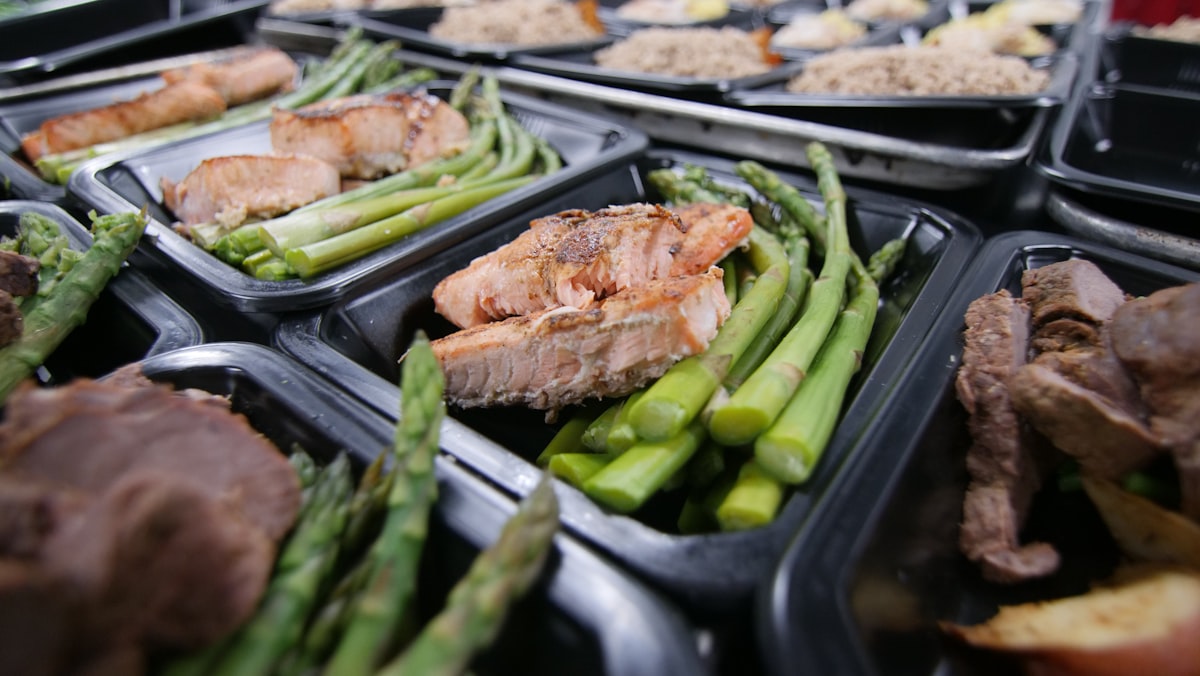
Smart Carbohydrate Choices
Discover how to select complex carbohydrates that provide sustained energy, support workouts, and maintain stable blood sugar levels. Explore timing strategies for maximum performance and recovery benefits.
Read Article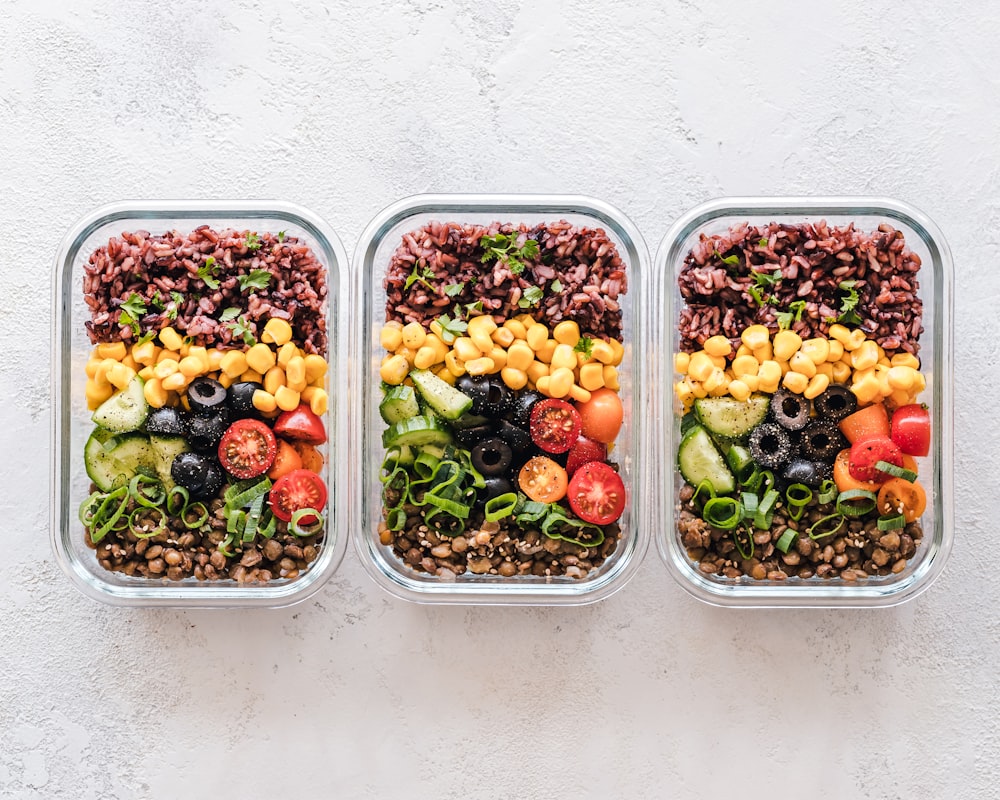
Essential Fats for Wellness
Learn why healthy fats are crucial for hormone production, cardiovascular health, and brain function. Identify quality fat sources like nuts, seeds, fish, and oils that support overall male vitality.
Read Article
Effective Meal Preparation Guide
Master the art of batch cooking and meal prep to maintain consistent nutrition throughout busy weeks. Explore storage solutions, portion control techniques, and time-saving strategies that support your wellness goals.
Read Article
Vitamins and Minerals Essentials
Understand which micronutrients are vital for immune function, energy production, and bone health. Learn food-based sources for iron, zinc, magnesium, vitamin D, and B vitamins that sustain male wellness.
Read Article
Hydration and Post-Activity Recovery
Explore optimal daily water intake, electrolyte balance, and recovery nutrition timing. Learn how proper hydration and post-workout nutrition accelerate recovery and maintain peak physical performance.
Read Article
Affordable Nutritious Eating
Maintain a balanced diet without breaking the bank. Discover budget-friendly protein sources, seasonal produce shopping tips, and pantry staples that deliver nutrition value and support consistent healthy eating habits.
Read Article
Understanding Nutrition Labels
Become proficient at reading and interpreting food labels to make informed choices. Learn how to identify added sugars, sodium content, ingredient lists, and serving sizes for smarter grocery shopping.
Read ArticleComplete Nutrition Planning Framework
Our comprehensive guides walk you through building a sustainable balanced diet tailored to your lifestyle, fitness goals, and preferences. Learn evidence-based strategies from experienced nutritional professionals in our community.
- Detailed macro and micronutrient breakdowns
- Practical meal planning templates and strategies
- Shopping lists and budget-conscious alternatives
- Recovery nutrition and hydration optimization

Frequently Asked Questions
Find answers to common questions about balanced nutrition and dietary planning for men's wellness.
A balanced diet for men typically includes appropriate portions of lean proteins (25-35% of calories), complex carbohydrates (45-65% of calories), and healthy fats (20-35% of calories), along with adequate vitamins and minerals from vegetables, fruits, and whole grains. Individual needs vary based on activity level, age, and health goals, so our guides help you customize your approach.
General recommendations suggest 0.8 grams of protein per kilogram of body weight for sedentary individuals, while active men may benefit from 1.2 to 2.0 grams per kilogram depending on exercise intensity and goals. Our protein intake article provides detailed information on calculating your personal needs and selecting quality sources throughout your day.
Batch cooking and meal prep are game-changers for busy schedules. Our meal preparation guide teaches you how to cook proteins, grains, and vegetables in bulk on designated prep days, then portion them into containers for grab-and-go meals throughout the week. This approach ensures consistent nutrition without daily cooking demands.
Post-workout nutrition should combine protein for muscle repair and carbohydrates to replenish energy stores, ideally consumed within 30-60 minutes of exercise. Our hydration and recovery article explores optimal timing, portion sizes, and food combinations that support muscle adaptation and performance improvements over time.
A common guideline is approximately 3.7 liters daily for adult men, though individual needs depend on activity level, climate, and metabolism. Our hydration guide helps you assess personal requirements and explains how proper water intake supports energy, cognitive function, workout performance, and overall wellness throughout the day.
More Resources for Your Journey
Discover additional articles, guides, and educational content to support your nutritional wellness.
Nutrition Tips & Guides
Explore in-depth articles covering micronutrients, food selection strategies, label reading, and lifestyle integration for sustainable balanced eating.
Browse Nutrition ArticlesMeal Planning Strategies
Learn comprehensive meal planning frameworks, weekly templates, shopping strategies, and practical tips for maintaining consistency with your dietary goals.
View Meal Planning GuidesShare Your Nutrition Journey
Have questions about the content or want to share feedback about our guides? We'd love to hear from you and help connect you with our community of nutrition-conscious individuals.
Send Us Your FeedbackWhat Our Community Says
Readers share how our balanced diet guides have helped them achieve their wellness goals.
"The meal planning guides transformed how I approach eating. Instead of guessing, I now have a clear framework for balancing proteins, carbs, and fats. The practical strategies fit perfectly into my busy schedule."
Marcus Weber
Leipzig, Germany
"I finally understand nutrition labels and how to make informed food choices. The articles are thorough without being overwhelming, and the real-world examples make everything relatable and actionable."
Thomas Müller
Berlin, Germany
"Finally found resources that explain balanced nutrition without unnecessary complexity. The micronutrient section helped me identify gaps in my diet, and I feel noticeably more energetic since implementing these guidelines."
Stefan Hoffmann
Munich, Germany